

When you experience hearing loss, investing in hearing aids can significantly enhance your quality of life. However, the process of choosing the right hearing aid can feel overwhelming due to the wide variety of options available. Understanding the different kinds of hearing aids and the steps involved in purchasing them can help you make a confident and informed decision. Here’s a detailed guide to help you navigate the process, from the initial hearing test to the final purchase.
Step 1: Take a Hearing Test
Before buying hearing aids, the first step is always to undergo a hearing test at a hearing clinic. This test helps identify the specific frequencies at which you experience hearing loss, much like how an eye exam determines the correct prescription for glasses. This crucial step ensures that your hearing aids are tailored to your unique hearing needs.
Why is a hearing test important?
- It helps your audiologist determine the degree and type of hearing loss.
- It allows for personalized adjustments to the hearing aids, ensuring they provide optimal sound clarity.
- It differentiates hearing aids from generic amplifiers, offering a customized solution to your hearing challenges.
Step 2: Product Discussion and Choosing the Right Hearing Aid
Once the hearing test results are in, your clinician will guide you through the product discussion. During this consultation, you’ll review various hearing aid options based on your test results and specific preferences. You’ll discuss factors like the brand, model, style, and technology level.
Different Kinds of Hearing Aids to Consider:
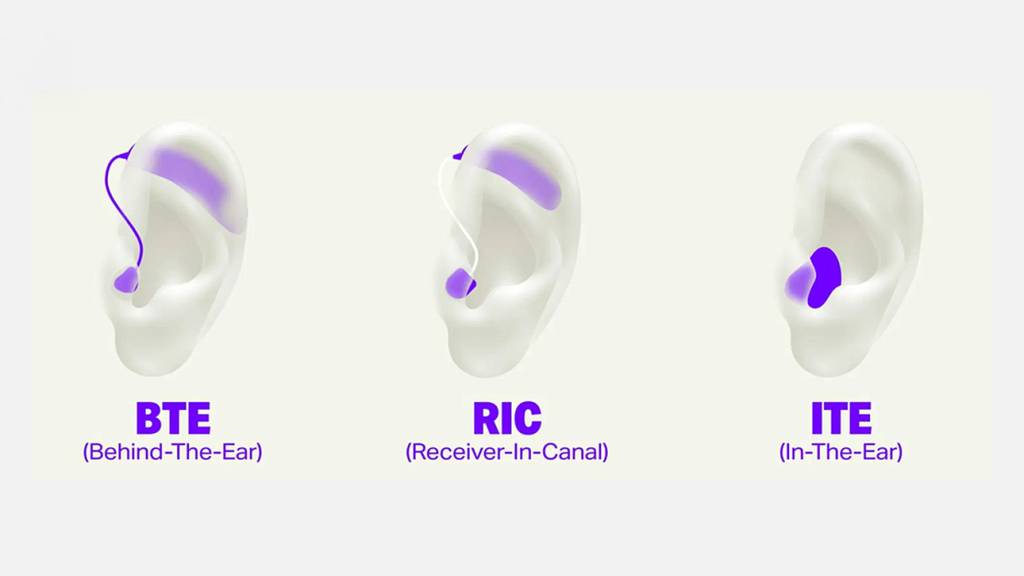
- Behind-the-Ear (BTE) Hearing Aids:
- Description: These hearing aids sit behind the ear and are connected to the ear canal with a tubing system. The larger size makes them easy to handle and customize.
- Best for: People with mild to profound hearing loss, including children.
- Mini BTE or Receiver-in-Canal (RIC) Hearing Aids:
- Description: A smaller version of the BTE, the receiver is placed inside the ear canal. These devices are more discreet and comfortable.
- Best for: Individuals looking for a smaller, more discreet device while maintaining sound clarity.
- In-the-Ear (ITE) Hearing Aids:
- Description: These hearing aids fit within the outer ear, providing a good balance of visibility and sound power.
- Best for: Those who prefer a more visible option but want a device that’s easier to handle than smaller styles.
- In-the-Canal (ITC) and Completely-in-the-Canal (CIC) Hearing Aids:
- Description: These tiny hearing aids sit partially (ITC) or entirely (CIC) within the ear canal, making them the most discreet options.
- Best for: Users with mild to moderate hearing loss who prioritize discretion.
- Customizable Features:
- Many modern hearing aids come with advanced features, such as Bluetooth connectivity, noise reduction, feedback cancellation, and rechargeable batteries. Discuss these features with your clinician to select the technology that best fits your lifestyle and hearing needs.
During the product discussion, you’ll also have the opportunity to try selected hearing aids for a week. Many clinics offer a trial period to ensure the hearing aids meet your expectations. This “try before you buy” process can help you narrow down the choices and decide which model is most comfortable and effective.
Step 3: Making the Purchase
Once you’ve selected the right hearing aid, it’s time to make the purchase. At this stage, you’ll finalize your decision and buy the hearing aids and any necessary accessories. Payment options vary, so you can choose the method that works best for you.
Payment Options:
- Personal Funds: Many people choose to pay out-of-pocket for their hearing aids.
- Financing: If you prefer to spread out the cost, many clinics offer financing options.
- Private Insurance: Some private insurance plans offer hearing aid coverage, which can offset the cost.
Buy Hearing Aids with Confidence
Choosing the right hearing aids involves understanding the different kinds available and following a clear process to ensure a successful purchase. By taking a hearing test, discussing various product options, making an informed purchase, and taking advantage of the 30-day money-back guarantee, you can buy hearing aids with confidence.
Remember that your audiologist or hearing specialist is there to help guide you every step of the way. They will ensure that the hearing aids you choose are perfectly suited to your hearing needs and lifestyle, giving you the best possible outcome. Whether you’re looking for behind-the-ear models, mini BTEs, or completely-in-the-canal options, the right hearing aids can transform your hearing experience and significantly improve your quality of life.
Need more information or want to schedule an appointment you can contact us at:
📞 (305) 661-6636
Or start a conversation click the “Whatsapp” button

