

Noise-Induced Hearing Loss (NIHL) is one of the most common causes of permanent hearing damage. It occurs when the ears are exposed to harmful levels of sound over time. Whether it’s from working in a noisy environment or listening to loud music through headphones, NIHL is preventable but often irreversible. In this article, we’ll explore what NIHL is, how it occurs, and how to prevent it.
How Noise Causes Hearing Damage
When the ear is exposed to loud sounds (above 85 decibels), the hair cells in the cochlea (the auditory organ of the inner ear) are damaged. These hair cells are responsible for transmitting sound signals to the brain. Unlike other cells in the body, hair cells do not regenerate, meaning once they are damaged, the hearing loss is permanent. Repeated or prolonged exposure to loud sounds can cause cumulative damage, resulting in gradual hearing loss.
Common Causes of NIHL
Some of the most common sources of harmful noise include:
- Loud music: Concerts, personal audio devices, and loud music venues can cause hearing damage
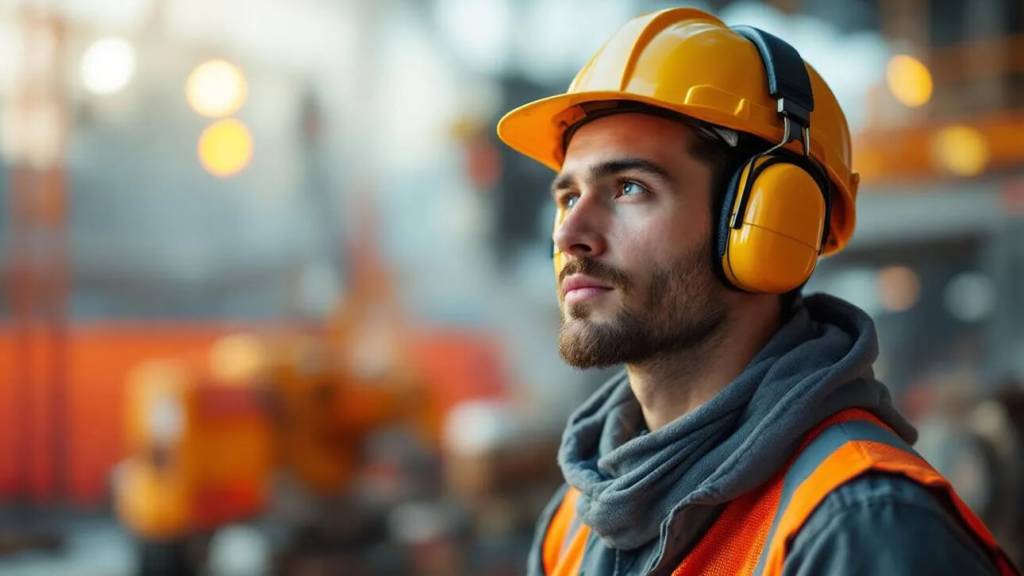
- Industrial noise: Construction sites, factories, and other loud work environments are major contributors
- Vehicles and machinery: Continuous exposure to the noise of engines, sirens, and other machinery can damage hearing
- Recreational activities: Activities like shooting, motorcycling, or using power tools without ear protection can result in noise-induced hearing loss (NIHL)
-
Symptoms and Diagnosis
The symptoms of noise-induced hearing loss (NIHL) may not be immediately noticeable. Early signs include difficulty hearing high-pitched sounds and understanding speech in noisy environments. Over time, the condition worsens, and individuals may find it increasingly difficult to hear everyday sounds across all frequencies. Diagnosis typically involves an audiogram, a test that measures hearing ability at various frequencies.Prevention and Treatment
Prevention is the key to avoiding NIHL. Some steps to protect your hearing include:
- Wear ear protection: Noise-filtering ear inserts or earmuffs should be worn in noisy environments – It’s important to note that modern noise-filtering devices allow the wearer to hear well while preventing exposure to harmful noise levels
- Limit exposure: Reduce time spent in loud environments or take breaks to allow your ears to recover.
- Lower volume: Keep the volume on personal audio devices at a safe level (use the 60/60 rule: 60% volume for no more than 60 minutes a day).
If you already have noise-induced hearing loss, treatment options include hearing aids to selectively amplify sound and, in severe cases, cochlear implants to restore hearing.
Noise-Induced Hearing Loss (NIHL) is preventable, but once it occurs, it’s irreversible. Taking steps to protect your hearing in noisy environments can significantly reduce the risk of NIHL and preserve your hearing for the future.
Have you noticed changes in your hearing?
Don’t let it go unnoticed!
Schedule an appointment with our specialist by calling 📞 (305) 661-6636
Or start a conversation by clicking the “Whatsapp” button.

