Hearing loss can create significant challenges in personal relationships, especially in communication. Whether it’s with a partner, family members, or friends, misunderstandings can occur more frequently, and frustration can mount. Communication is the foundation of any relationship, and when hearing loss affects it, emotional connections may suffer. In this article, we’ll explore how hearing loss affects communication and provide strategies to overcome these challenges and maintain healthy, strong relationships.
How Hearing Loss Affects Communication
Hearing loss can lead to difficulty understanding speech, especially in noisy environments or when multiple people are talking at once. When a person with hearing loss doesn’t hear everything clearly, it can result in frequent misunderstandings. In conversations, they might ask people to repeat themselves or they might misinterpret what’s being said, which can cause frustration for both parties.
Over time, the person with hearing loss may begin to withdraw from conversations to avoid embarrassment, leading to feelings of isolation and detachment from loved ones. This can create tension and distance in relationships. Partners, friends, and family members may also feel neglected or misunderstood if communication becomes more challenging.
The Emotional Consequences
The inability to fully participate in conversations can lead to a sense of isolation and frustration. Both the person with hearing loss and their loved ones may feel helpless in finding ways to communicate effectively. This frustration can lead to feelings of resentment, anger, and sadness. For couples, it may strain intimacy and reduce emotional connection. For parents and children, it may make it harder to bond and share meaningful experiences.

-
Overcoming Communication Barriers
There are several ways to improve communication and maintain strong relationships despite hearing loss:
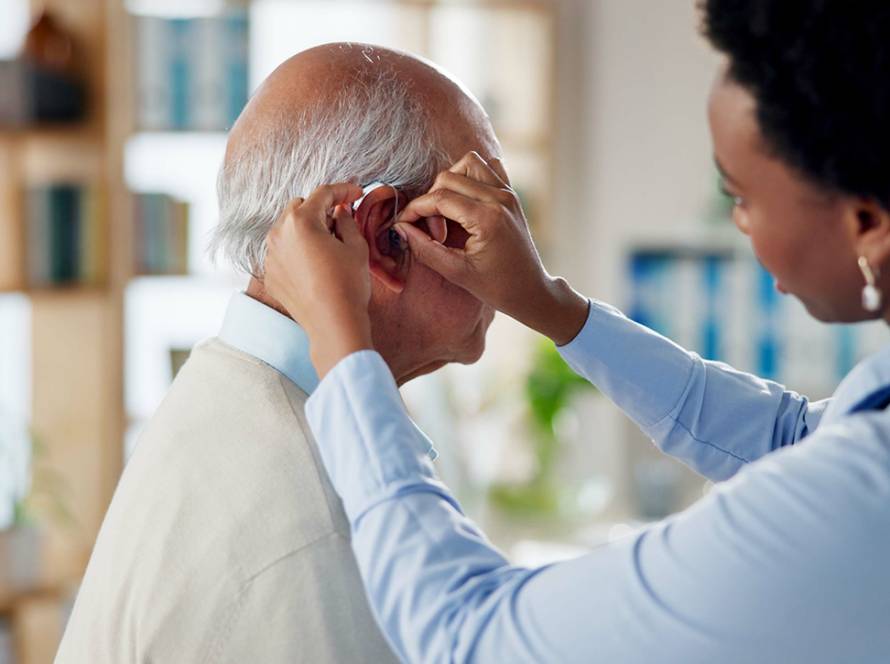
- Get a Hearing Test: The first step is to consult an hearing care professional and get a hearing test to determine the extent of hearing loss. Hearing aids and assistive devices can help improve hearing and communication.
- Use Clear Communication Techniques: When communicating, try to face the person with hearing loss and speak clearly and slowly. Avoid shouting, as it can distort the sound, and try to keep background noise to a minimum.
- Assistive Technology: There are many assistive devices available that can make communication easier, such as amplified phones, captioned telephones, and speech-to-text apps. Bluetooth-enabled hearing aids also allow for hands-free communication.
- Be Patient and Understanding: It’s important for both the person with hearing loss and their loved ones to remain patient. The person with hearing loss should communicate openly about their needs, while others should make an effort to be understanding and offer support.
- Couples Therapy or Counseling: For partners facing communication challenges due to hearing loss, couples counseling can help improve communication strategies and reduce frustration.
Hearing loss doesn’t have to disrupt relationships. With the right tools, strategies, and open communication, couples and families can overcome the challenges of hearing loss together. Seeking the help of a hearing care professional, using hearing aids, leveraging assistive technology, and practicing patience and understanding are essential for maintaining healthy, strong relationships.
Don’t let it go unnoticed!
Schedule an appointment with our specialist by calling 📞 (305) 661-6636
Or start a conversation by clicking the “Whatsapp” button.